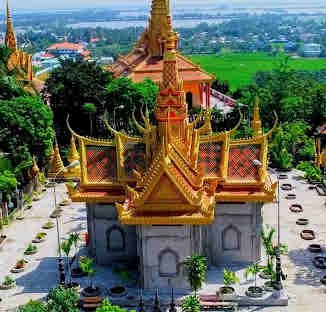

Hoi An Vietnam is one of the most captivating destinations in Southeast Asia, combining centuries-old architecture, colorful lanterns, riverside scenery, delicious food, and a relaxed atmosphere. Located in central Vietnam, this historic town offers travelers a unique opportunity to experience a place where Vietnamese traditions blend beautifully with Chinese, Japanese, and European influences.
Recognized as a UNESCO World Heritage Site in 1999, Hoi An Ancient Town is celebrated for its remarkably preserved architecture and historic street plan. Whether you are interested in history, culture, cuisine, photography, or simply slowing down while traveling, Hoi An Vietnam offers an experience that feels both authentic and unforgettable.
Why Hoi An Vietnam Is Worth Visiting
The charm of Hoi An Vietnam comes from its ability to preserve the atmosphere of an old trading town while remaining a lively destination for modern travelers. Between the 15th and 19th centuries, Hoi An developed as an important Southeast Asian trading port, attracting merchants and cultural influences from different parts of Asia and beyond.
Today, visitors can walk through narrow streets lined with traditional yellow buildings, wooden houses, temples, shops, cafés, and historic assembly halls. The combination of architectural styles makes the old town particularly distinctive.
The Thu Bon River adds another layer of beauty. During the evening, the riverside becomes especially atmospheric as lanterns illuminate streets and reflections shimmer across the water.
Exploring Hoi An Ancient Town
At the heart of Hoi An Vietnam is the Ancient Town, where much of the destination’s cultural identity can be experienced on foot. UNESCO describes the area as an exceptionally well-preserved example of a traditional Southeast Asian trading port.
The famous Japanese Bridge is among the town’s most recognizable landmarks. Historic houses such as Tan Ky Ancient House also provide insight into the lives of merchant families who once lived and worked in Hoi An.
The town’s architecture is particularly fascinating because it reflects the meeting of different cultures. Chinese and Japanese influences are visible alongside indigenous Vietnamese traditions, while later European connections contributed to the town’s development.
For travelers interested in heritage tourism, this mixture makes Hoi An Vietnam much more than a picturesque destination. It is a living example of how international trade can influence architecture, culture, food, and everyday life.
Things to Experience in Hoi An Vietnam
Exploring the Ancient Town is only part of the experience. Hoi An Vietnam also provides opportunities to discover the countryside, coastline, local cuisine, and traditional crafts.
Cycling through nearby rice fields is a peaceful way to see a different side of the region. Vietnam’s official tourism website also highlights cycling through the countryside and relaxing at An Bang Beach as popular ways to experience local life beyond the historic center.
Food is another major attraction. Local specialties such as cao lau, white rose dumplings, and fresh Vietnamese dishes allow visitors to explore the area’s culinary traditions. The town’s cafés and street-food culture make it easy to combine sightseeing with memorable meals.
At night, Hoi An Vietnam takes on a different personality. Lantern-lit streets create a warm, colorful atmosphere, making evening walks one of the most enjoyable parts of a visit.
When Is the Best Time to Visit Hoi An Vietnam?
The ideal time to visit depends on what you want from your trip. Generally, travelers should consider weather conditions when planning a visit because central Vietnam experiences distinct wet and dry periods.
For the most comfortable sightseeing experience, checking current weather conditions and seasonal information before booking is recommended. Vietnam’s official tourism portal provides destination information and travel inspiration for visitors planning trips around the country.
Regardless of when you arrive, spending several days in Hoi An Vietnam gives you more time to appreciate the town instead of rushing through its main attractions.
Hoi An Vietnam Beyond the Old Town
One of the advantages of visiting Hoi An Vietnam is the variety available outside the historic center. Travelers can combine cultural sightseeing with beach time, countryside excursions, and trips to nearby attractions.
An Bang Beach is a popular choice for travelers looking for a more relaxed coastal experience. The surrounding countryside, meanwhile, offers rice paddies, gardens, waterways, and quieter roads that contrast with the busy areas of the Ancient Town.
For travelers with extra time, nearby cultural destinations such as My Son Sanctuary can add another historical dimension to a central Vietnam itinerary. Vietnam’s official tourism authority highlights both My Son and Hoi An as important cultural experiences in the region.
Planning Your Hoi An Vietnam Trip
A successful Hoi An Vietnam trip does not require an overly complicated itinerary. The town is best experienced at a comfortable pace, allowing time for spontaneous discoveries.
Consider spending your mornings exploring historic streets and attractions, afternoons enjoying local food or the surrounding countryside, and evenings experiencing the lantern-lit town. This slower approach gives you a better sense of Hoi An’s character.
For additional travel planning, consider linking this article internally to related pages on your website such as “Best Time to Visit Vietnam,” “Vietnam Travel Guide,” “Things to Do in Central Vietnam,” and “Vietnamese Food Guide.” These internal links can help readers discover related content while strengthening your site’s topical SEO structure.
For authoritative background on the site’s heritage and conservation, readers can consult the UNESCO World Heritage Centre’s Hoi An Ancient Town page and the official Vietnam Tourism website.
Conclusion
Hoi An Vietnam stands out because it offers far more than beautiful scenery. Its historic architecture, multicultural heritage, traditional cuisine, peaceful countryside, beaches, and lantern-lit evenings create a destination with remarkable character.
Whether you are visiting Vietnam for the first time or returning to explore more deeply, Hoi An provides an opportunity to slow down and connect with the country’s history and culture. Its UNESCO-recognized Ancient Town remains the centerpiece, but the surrounding landscapes and local experiences make the journey even more rewarding.
For travelers seeking a destination that combines history, culture, food, and relaxation, Hoi An Vietnam deserves a place high on the Vietnam travel itinerary.
FAQs About Hoi An Vietnam
What is Hoi An Vietnam famous for?
Hoi An is famous for its UNESCO-listed Ancient Town, historic architecture, lanterns, traditional cuisine, and heritage as a former Southeast Asian trading port.
Is Hoi An Vietnam worth visiting?
Yes. Hoi An is especially appealing to travelers interested in history, culture, food, photography, beaches, and relaxed travel experiences.
How many days are enough for Hoi An?
Two to three days can provide a good introduction, although staying longer allows travelers to explore the countryside, beaches, food scene, and nearby attractions at a slower pace.
What should you do in Hoi An?
Visitors can explore the Ancient Town, see historic houses and the Japanese Bridge, enjoy local food, cycle through the countryside, visit nearby beaches, and experience the town after dark.
Is Hoi An a UNESCO World Heritage Site?
Yes. Hoi An Ancient Town was added to the UNESCO World Heritage List in 1999 because of its outstanding cultural significance and exceptional preservation as a traditional Asian trading port.
What Is the Most Important Thing in Interior Design Mintpalment?